
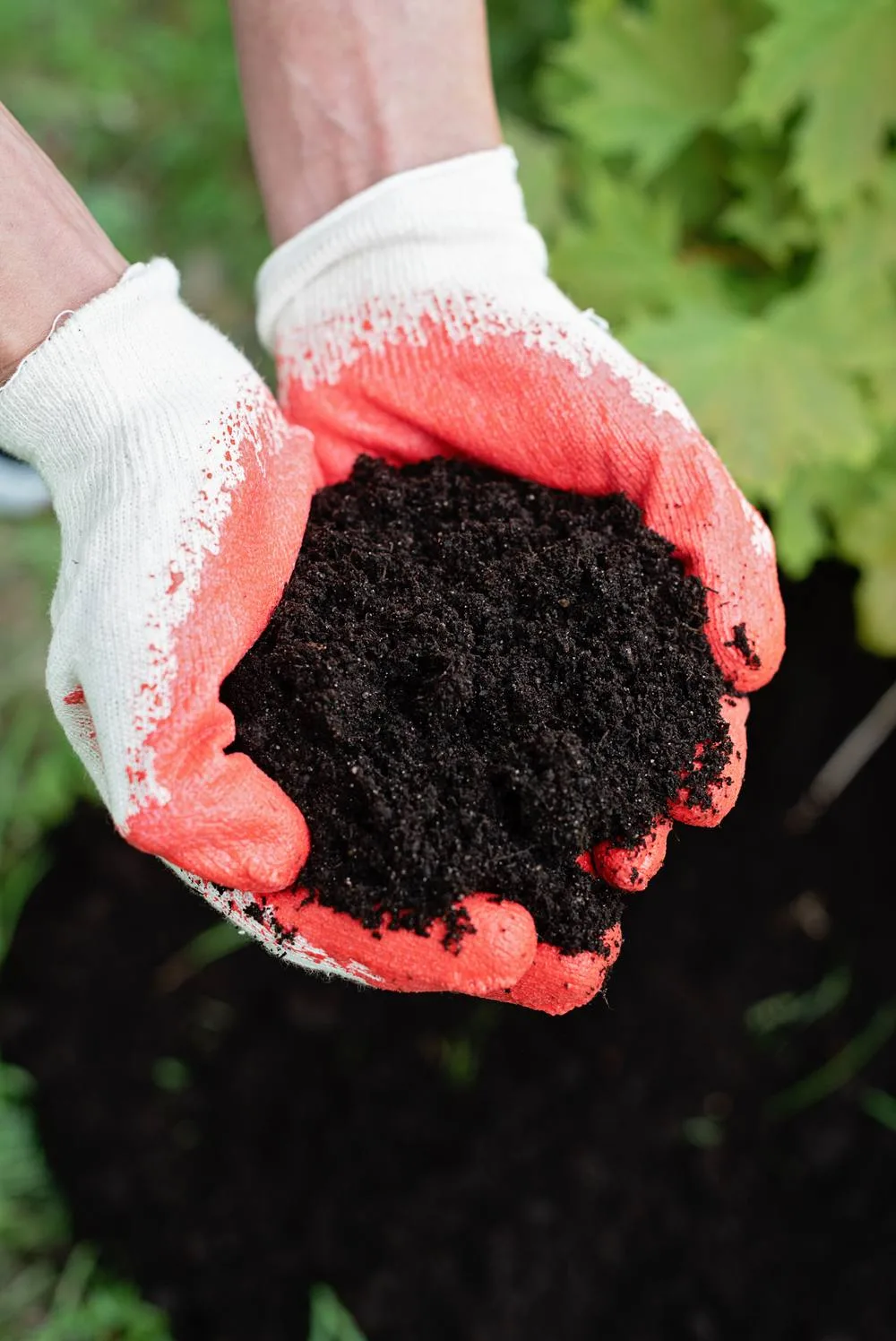
A real environmental stake
Biowaste sent to landfill ferments without oxygen and releases methane — a gas with roughly 25 times the warming power of CO2. Incineration isn't neutral either: it also produces greenhouse gases and CO2. Sorting and recovering biowaste instead of sending it down either of those paths is a direct climate lever, not just a waste-management detail.
Three recovery methods
- Composting — turns biowaste into an organic amendment usable in agriculture.
- Methanisation — an industrial process that extracts biogas (methane) from biowaste to produce energy; the leftover digestate also returns to the soil.
- Land spreading — direct application of digestate or compost as a soil amendment.
Why soils need this
Agricultural soils are losing organic matter. Natural amendments from composted biowaste directly address that. Digestate from methanisation, in turn, can replace part of the synthetic fertilizer otherwise needed — cutting reliance on non-renewable mineral resources like phosphorus and potassium, and on energy-intensive nitrogen synthesis.
Three strategic pillars
For a professional, sorting and recovering biowaste serves three purposes at once: a circular-economy practice, a concrete and demonstrable CSR commitment, and a source of green energy and natural soil amendment rather than waste to dispose of.
To see where these obligations come from: Regulations.